‘The Normative Significance of the Senus Fidei’
This peer reviewed article reflects on the theological and ecclesiological significance of the sensus fidei, a gift from Christ to the Church, sustained by the Holy Spirit.

This peer reviewed article reflects on the theological and ecclesiological significance of the sensus fidei, a gift from Christ to the Church, sustained by the Holy Spirit.
The emphases on dialogue, peacemaking, reconciliation, and care for creation are key charisms within Franciscanism, the ecumenical movement, and contemporary ecological efforts. People involved in the ecumenical effort of eco-conversion would benefit from the strong appeal the spirituality of Francis has across Christian denominations.
A short essay on the importance of a clear understanding and concrete application of a theology of the liturgical assembly at the celebration of the Catholic Eucharist.
In this peer-reviewed article, I discuss how catechesis, preparation, and celebration of the wedding liturgy can be incorporated into an RCIA-like format. However, in addition to the three stages of preparation that match the three pre-initiation stages of the RCIA, I add a fourth post-wedding experience. It is analogous to the RCIA’s mystagogy. I call it “continuing ministry.” These four stages can constitute an integral, parish-based approach, not only to preparation for the marriage itself, but preparation for the wedding liturgy as well.
This peer-reviewed article was chosen for New Theology Review’s annual Award for Theological Reflection. It address the theological issues associated with the increasingly common practice of “Sunday Celebrations in the Absence of a Priest” (SCAP) among Catholic Churches that do not have a resident priest pastor.

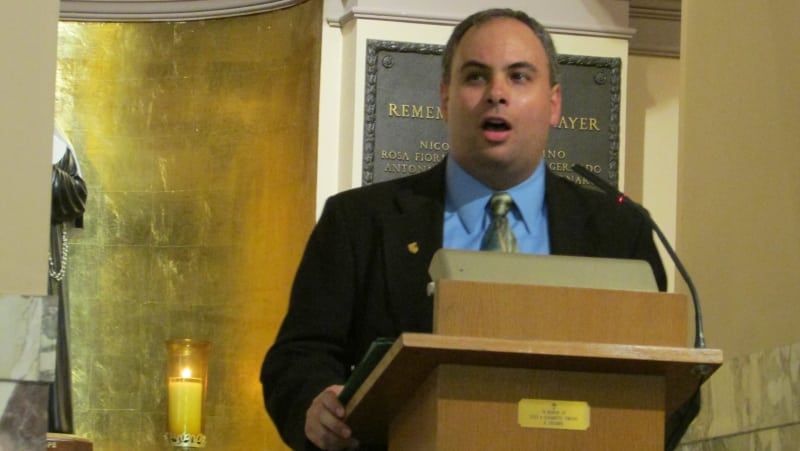 Request Dr. DelMonico's professional services for a liturgical, ministerial or leadership consultation, or for an academic or public presentation. Contact Marc here.