

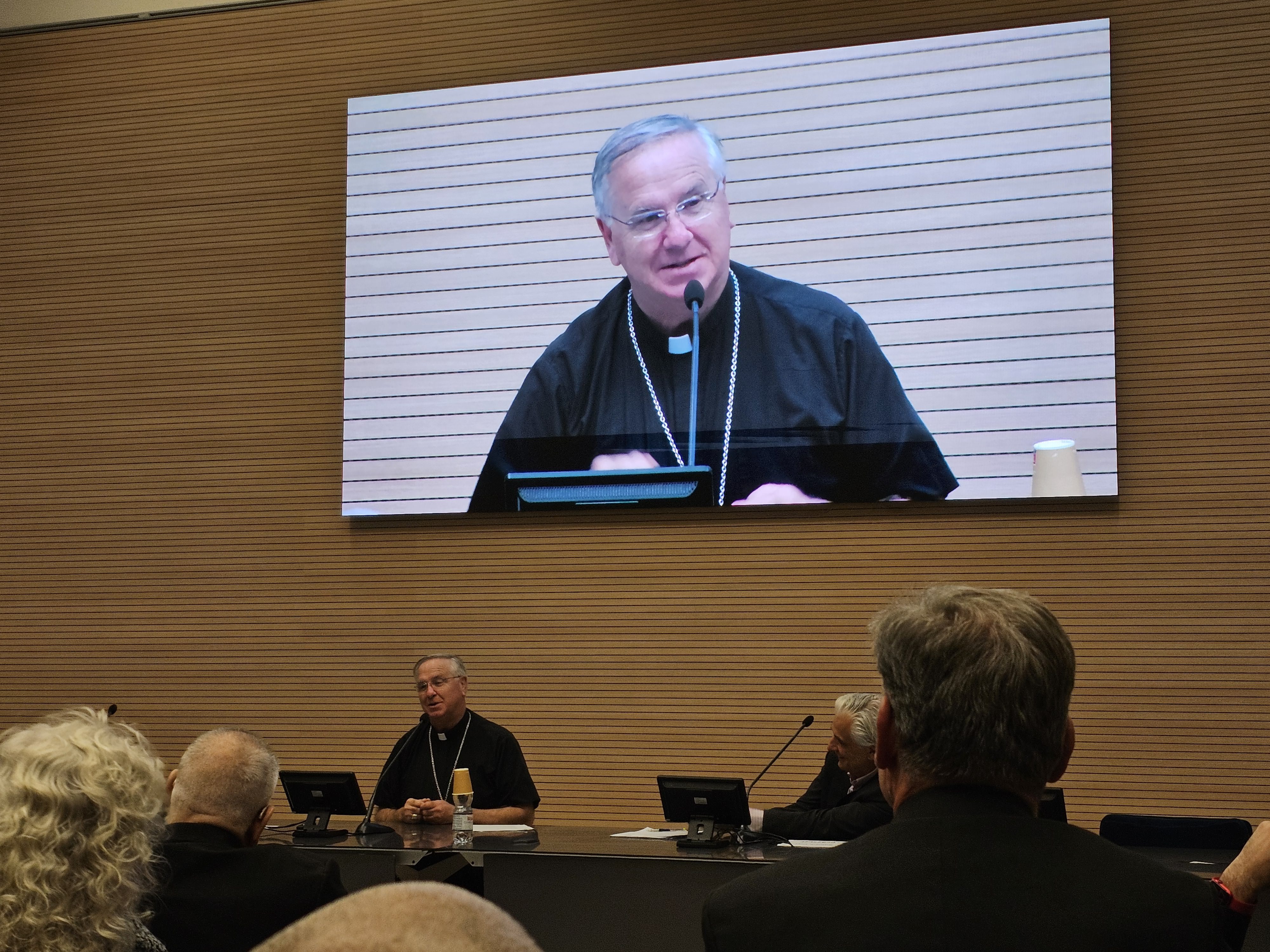
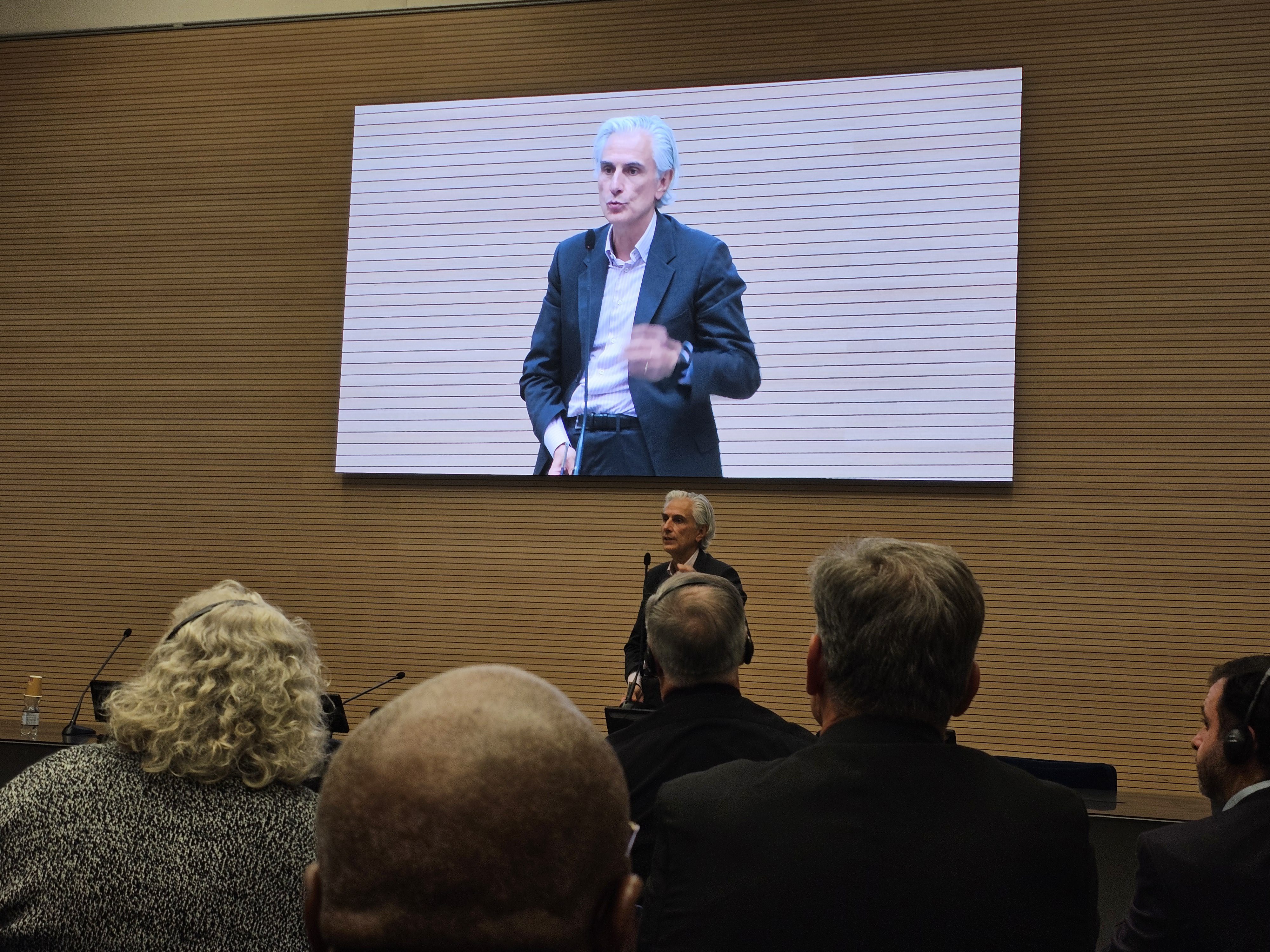
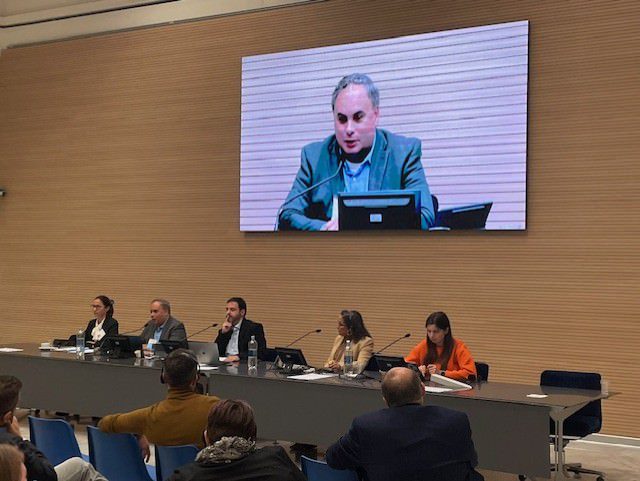
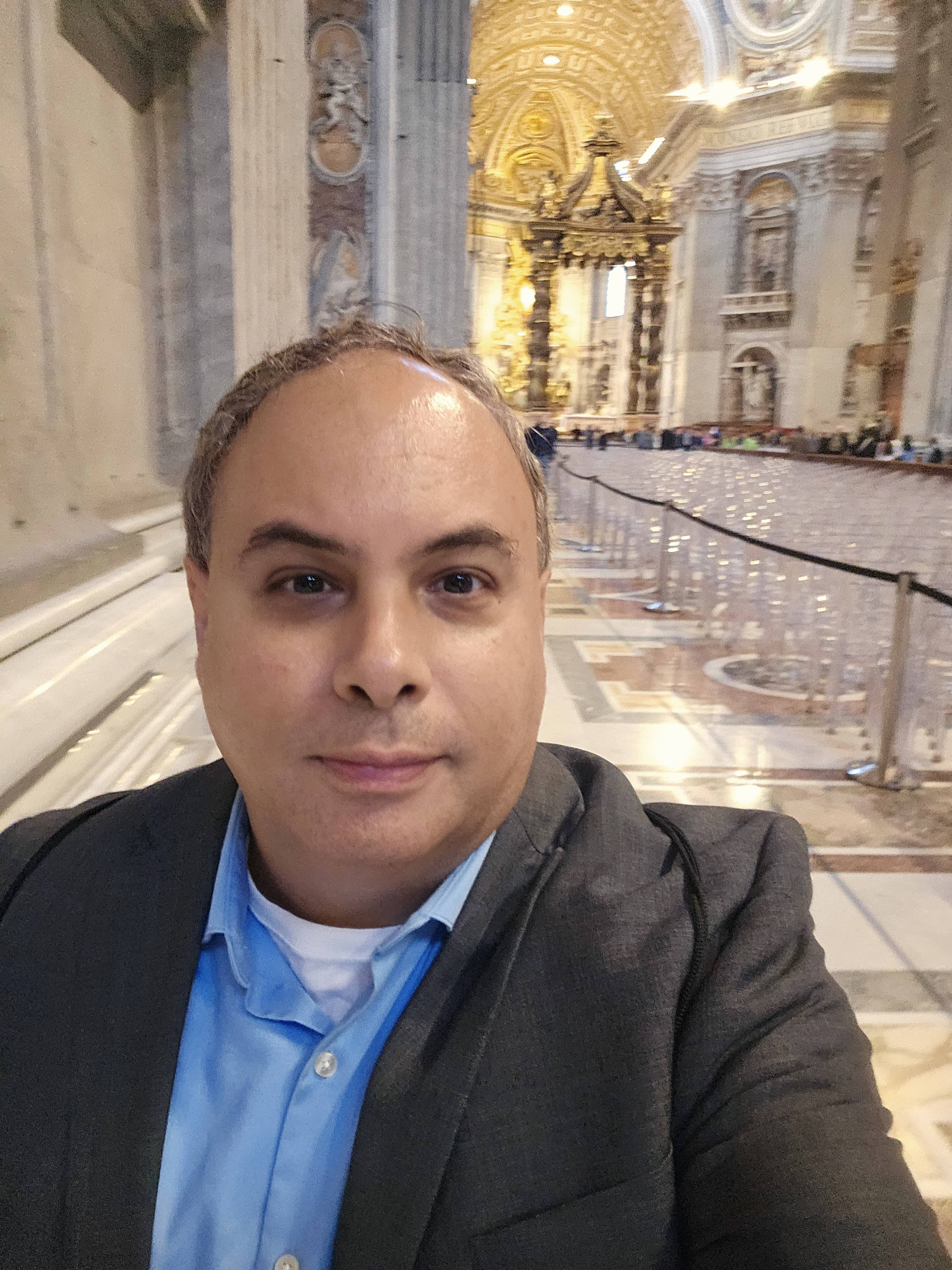
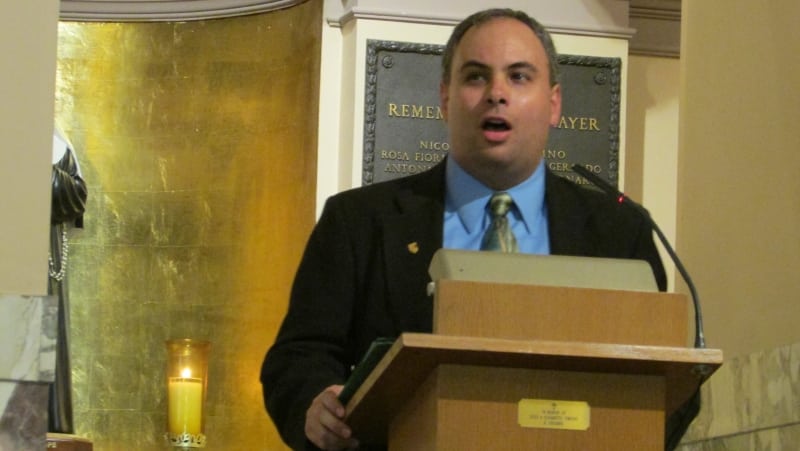
Marc DelMonico, PhD, Director of Communications & Online Education at Saint Luke Institute (SLI) represented the organization and presented on a panel which focused on Care of Ministers at a global conference on mental wellness in the Vatican. Representatives from over a dozen countries participated at the first-of-its-kind conference from November 5-7, 2025. Dr. DelMonico’s, referring to the psychological & spiritual care work of SLI for clergy religious and laity, focused specifically on how the Church locally and globally can draw upon wellness care models and proactive education to be a resource to its own clergy, religious and laity who often find themselves addressing wellness needs in the communities they serve, or are in need of healing and renewal due to their own needs.
As part of a panel discussion entitled “Cura Pastorum – Care of the Carers: How caring affects those who serve—and how the Church equips and sustains,” Dr. DelMonico highlighted the integrated psychological and spiritual care model of SLI, specifically highlighting how their wellness model recognizes and addresses spiritual growth in parallel with professional psychological therapy and healing – specifically for non-acute cases of burnout, depression, addictive behaviors, or grief and trauma processing. Asked how the Church can respond to the structural or cultural factors in Church and society that most affect the mental health of ministers, he noted how this model is rooted in the Catholic understanding of the dignity of the person – the whole person: body, mind, emotions, spirit. “In the global era in which we live, when we incessantly do not see people treated with this level of care or dignity, SLI provides an example of wellness care for ministers that ensures they receive the same dignity and support as we hope they themselves will provide for those they serve. It is concretizing that experience of care that places these ministers on the path to ongoing growth and healing through skills development, therapy, body movement, art, and spiritual guidance.”
He further highlighted how SLI’s signature long-term outpatient care service, the Emmaus Program, is itself named so as to highlight its spiritual parallels to the Emmaus story: “Like the disciples on the road to Emmaus after Jesus’ crucifixion are lost and bewildered, and need Christ to come into their midst and lead them back to faith, those ministers who enter our treatment programs come to us struggling with mental health needs. They encounter the dedicated clinicians and spiritual caregivers who carefully, lovingly, in the healing spirit of Christ, bring them back to balance, and to their true selves.”
Finally, he noted the importance, not only of space for such healing to occur, but time. He said that ministers often carry deep stigmas and misunderstanding surrounding mental health care – misperceptions which many in the Church also share. “These ministers may come to SLI either deeply suspicious of our care approach or deeply depressed because they think that having a mental illness means that their priesthood, or their service to the Church, is over,” he continued. “This is the impact of the stigma, and it can take months to overcome. It is only through their experience of the professional care of the SLI team that they come to realize that they can address past or present traumas, mental health needs new skills, and new capabilities to be able to return to ministry in a healthier way. They are welcomed into a healing community through prayer and celebrated when they are discharged, also with prayer. Together with professional therapeutic and medical care, SLI’s approach – and those of others like us around the world who embrace this wellness model – concretely demonstrates the ways the Church as a whole can effectively respond to the global mental health crisis.”
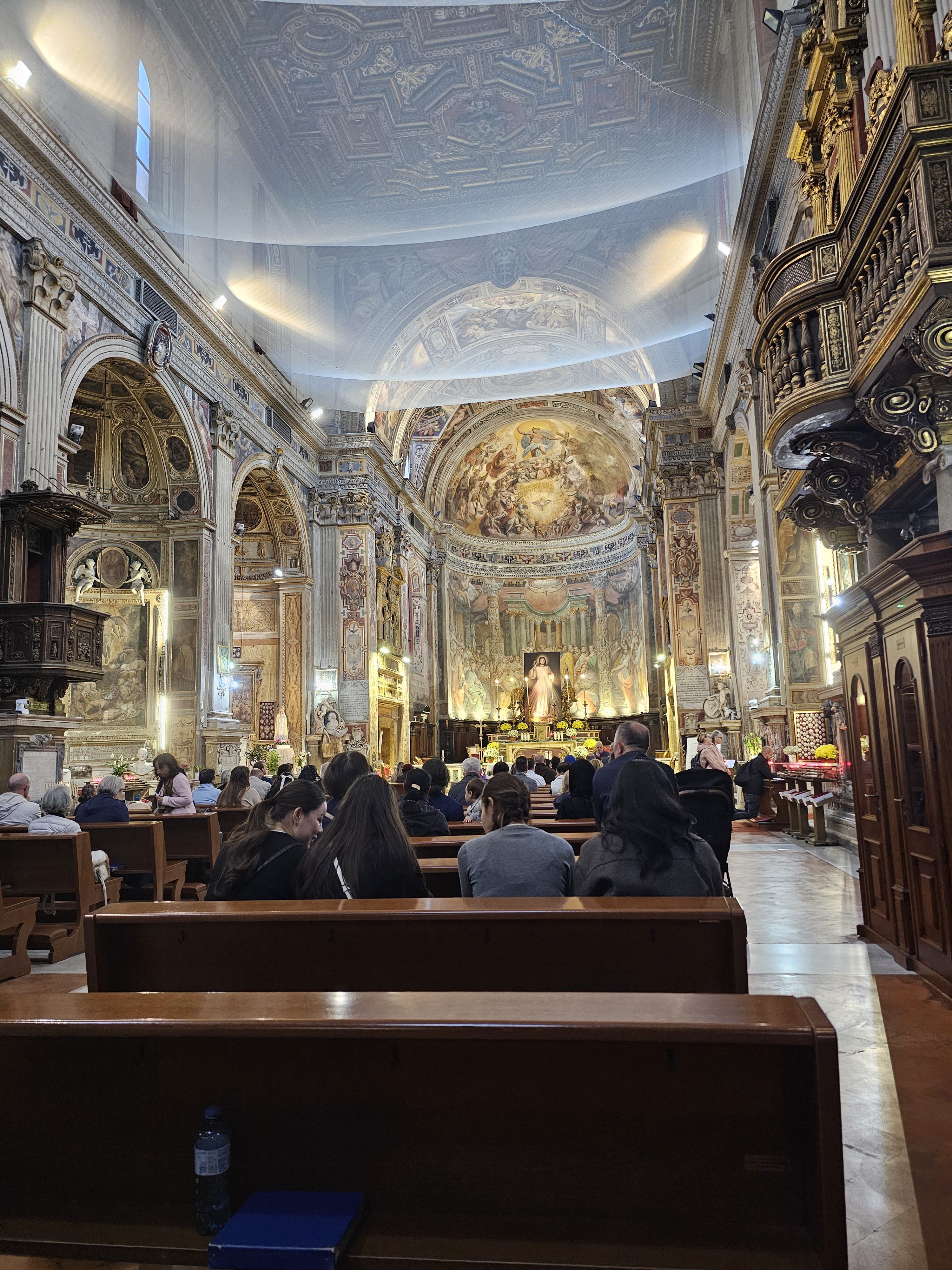
The “Ministry of Hope Conference: An International Catholic Forum on Mental Wellbeing,” was co-sponsored by the International Association of Catholic Mental Health Ministers, the Pontifical Academy for Life, and the Vatican’s Dicastry for Promoting Integral Human Development. Representatives from all three entities presented throughout the weekend, together with Bishops, clergy, religious and laity from the United States, Canada, Haiti, the Philippines, Sweden, Italy, Ireland, South Africa, Zimbabwe, India and more on a wide range of topics:
- Pastoral reflections on ways the Church can respond in support of those with suicidal thoughts or those grieving a loss through suicide, coinciding with the monthly prayer intention of Pope Leo XIV for the prevention of suicide
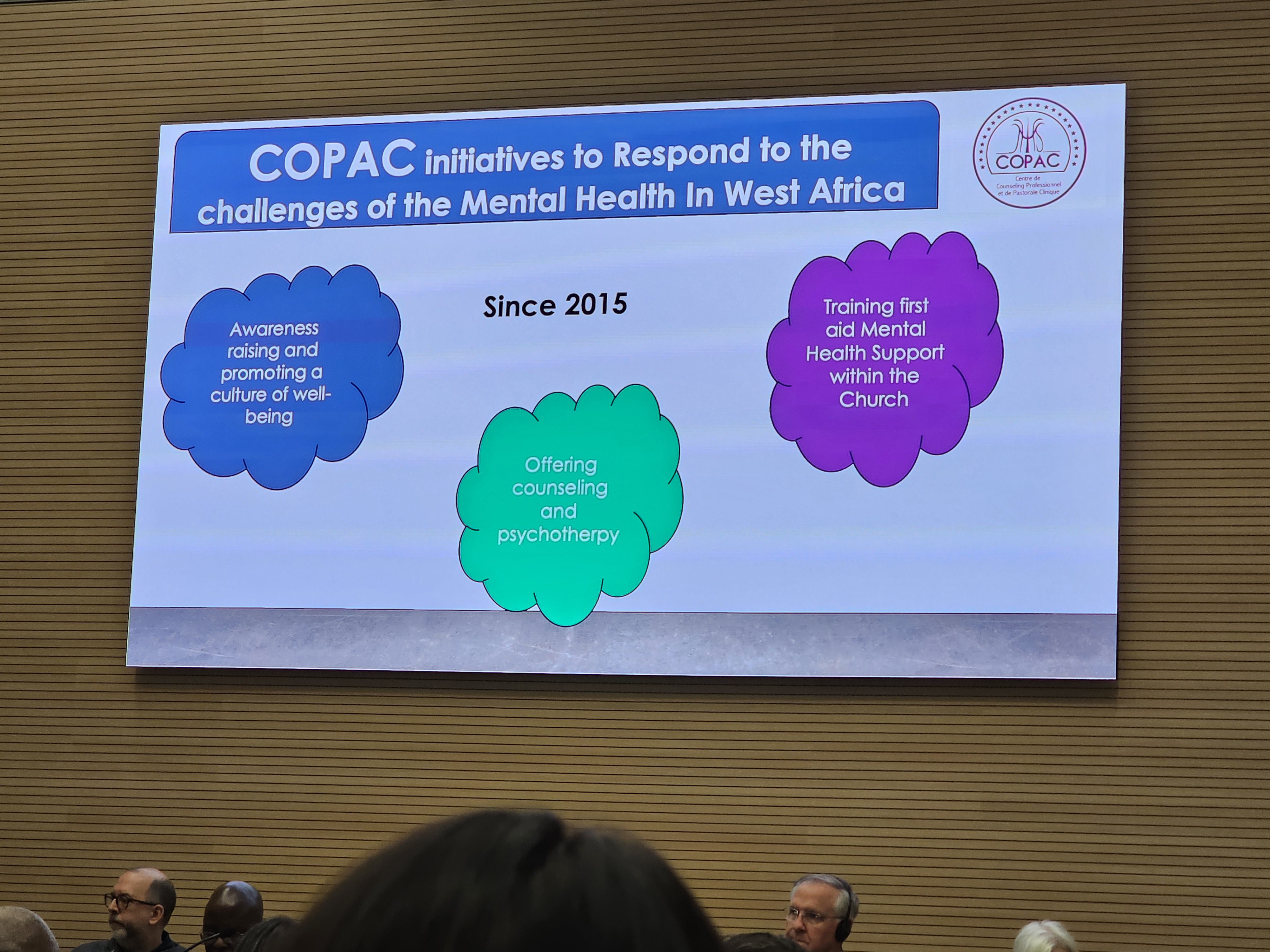
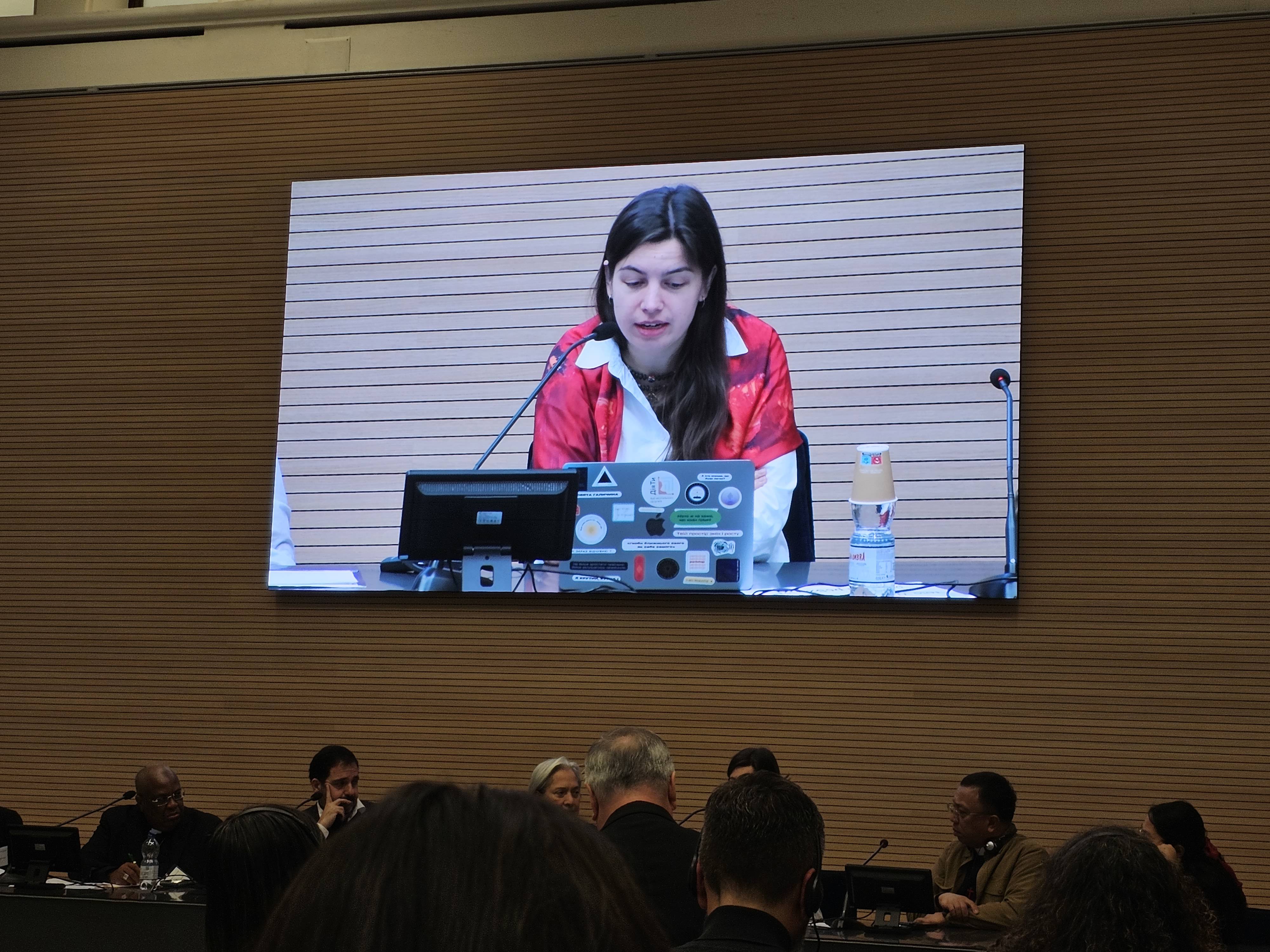
- Addressing mental wellness for ministers and other Catholics and Christians in situations of humanitarian crisis throughout the world (examples include Diyati Hub – Ukraine; COPAC– West Africa; Sanctuary Ministries – Vancouver, Canada; Mental Health Ministry – Diocese of Phoenix; SLI and SLIconnect – Saint Luke Institute, US)
- Panel discussions of best pastoral practices in support of mental wellbeing
- Diverse global perspectives on lived realities in humanitarian and systemically vulnerable contexts, emerging forms of mental distress in higher-resource contexts, and strengthening capacity and support for pastoral caregivers
- Theological considerations on Catholic and biblical understandings of the human person in dialogue with mental health best practices
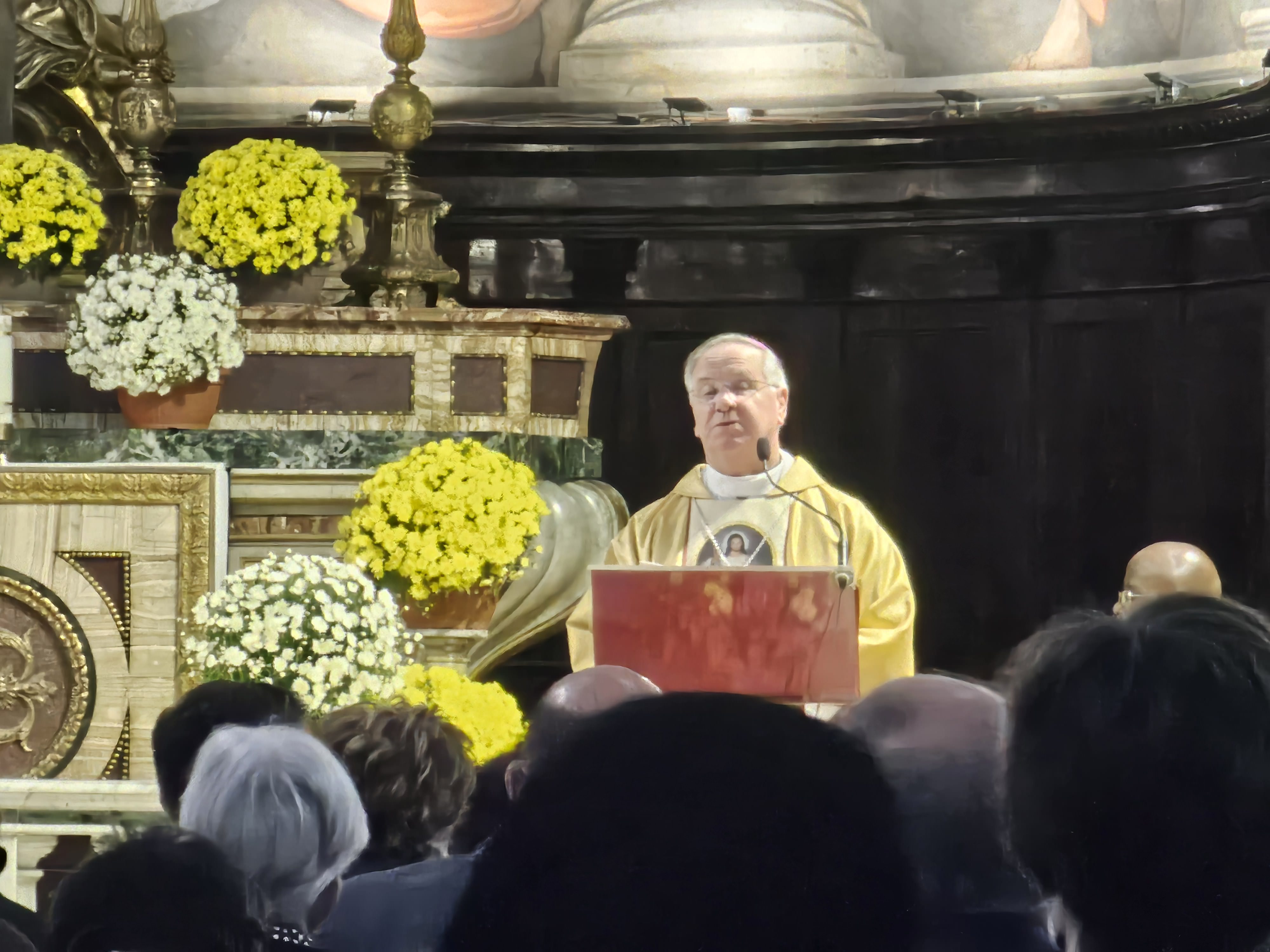
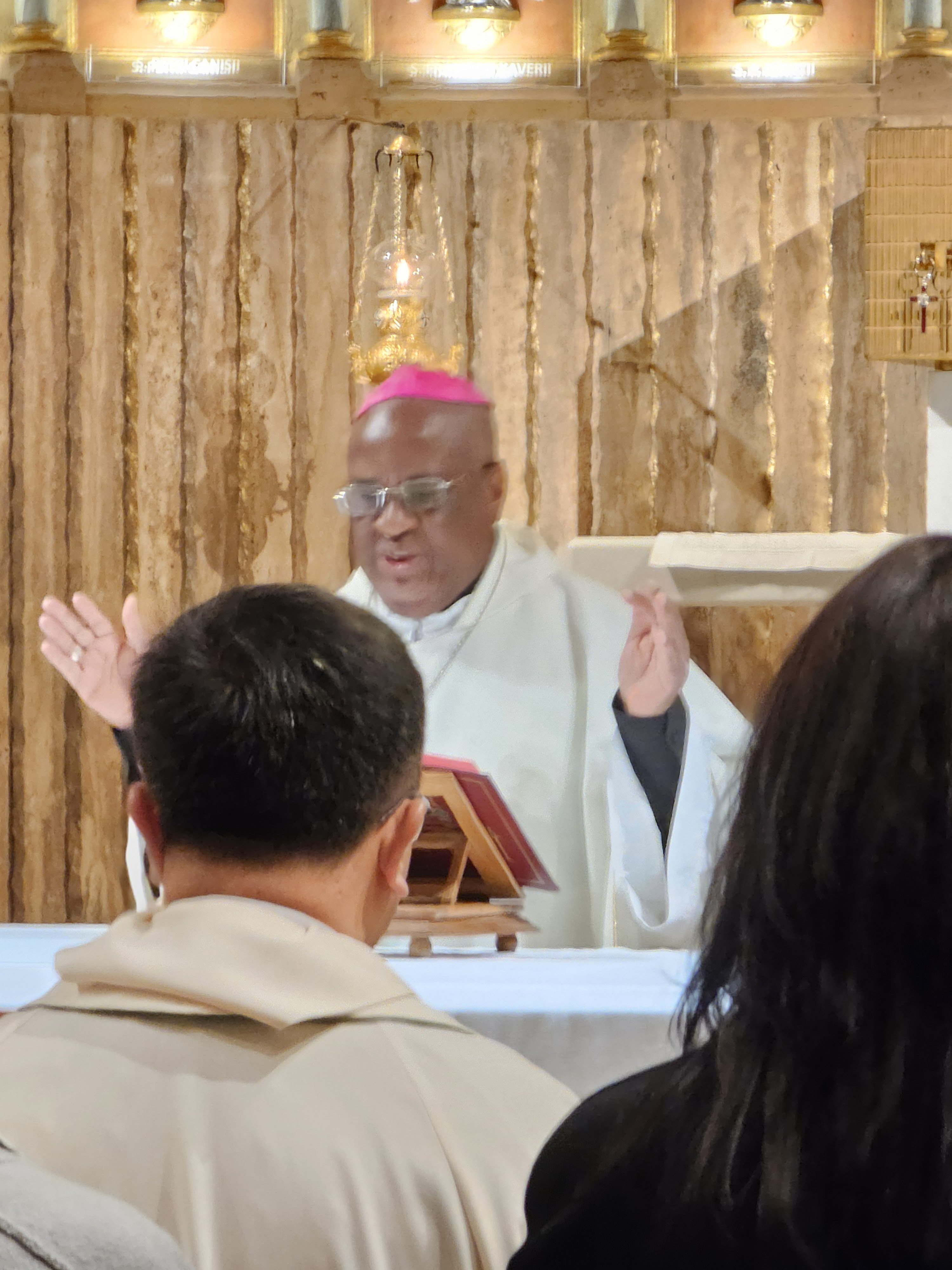
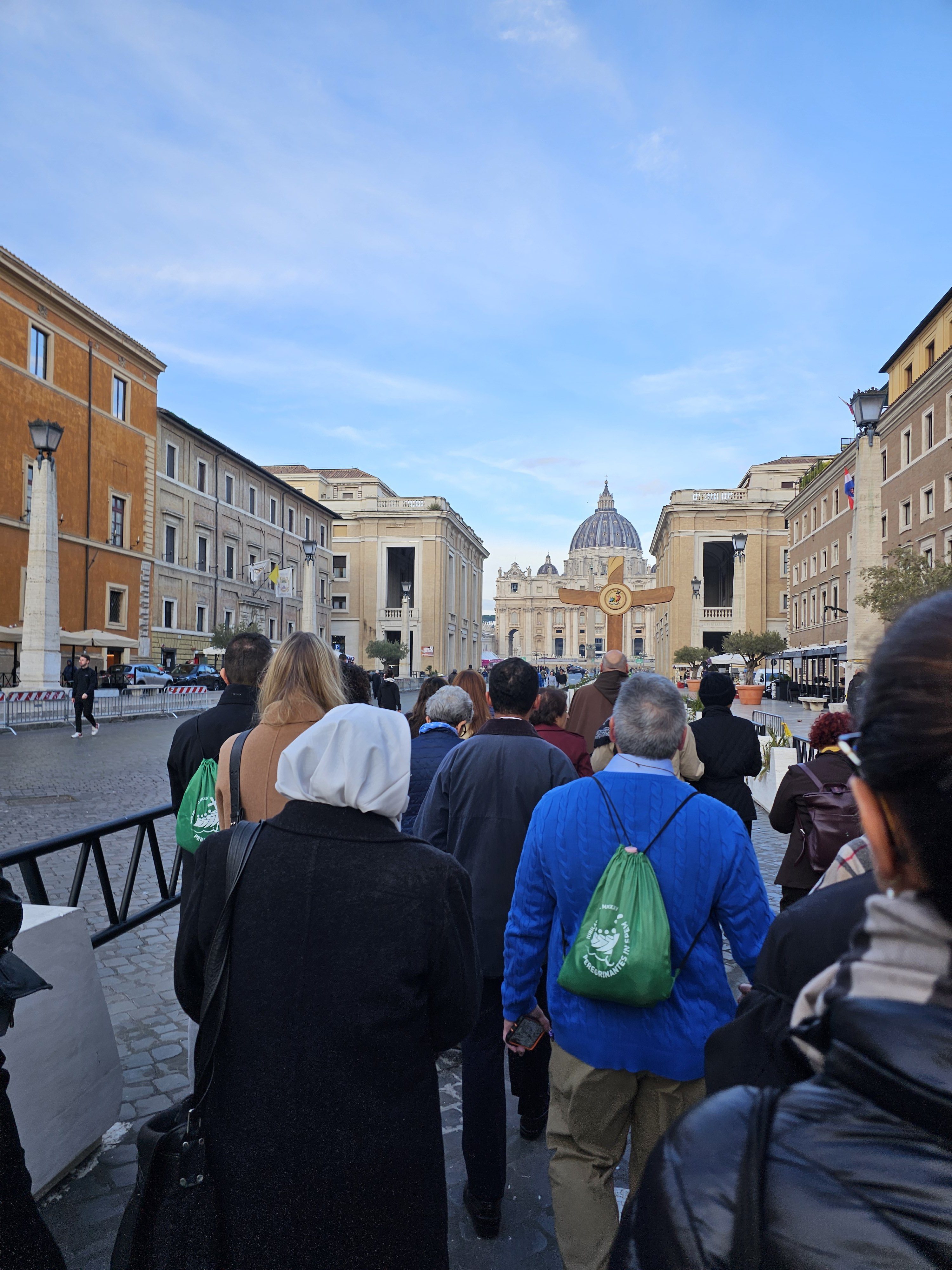
The three-day event featured opportunities for those present to network with participants from their own countries or colleagues across the globe as well as a Pilgrimage to the Holy Door at St. Peter’s Basilica as part of the Jubilee Year 2025 celebration begun by Pope Francis.
Prior to the conference, Dr. DelMonico also met with colleagues at the Venerable English College (VEC) in Rome: Fr. Stephen Wang, Rector, and Sr Valentina Stilo, Human Formation Coordinator (pictured below). The VEC makes frequent use of SLI’s online learning platform SLIconnect to present topics related to human formation and mental health for the seminarians from Great Britain studying in Rome.











 Request Dr. DelMonico's professional services for a liturgical, ministerial or leadership consultation, or for an academic or public presentation.